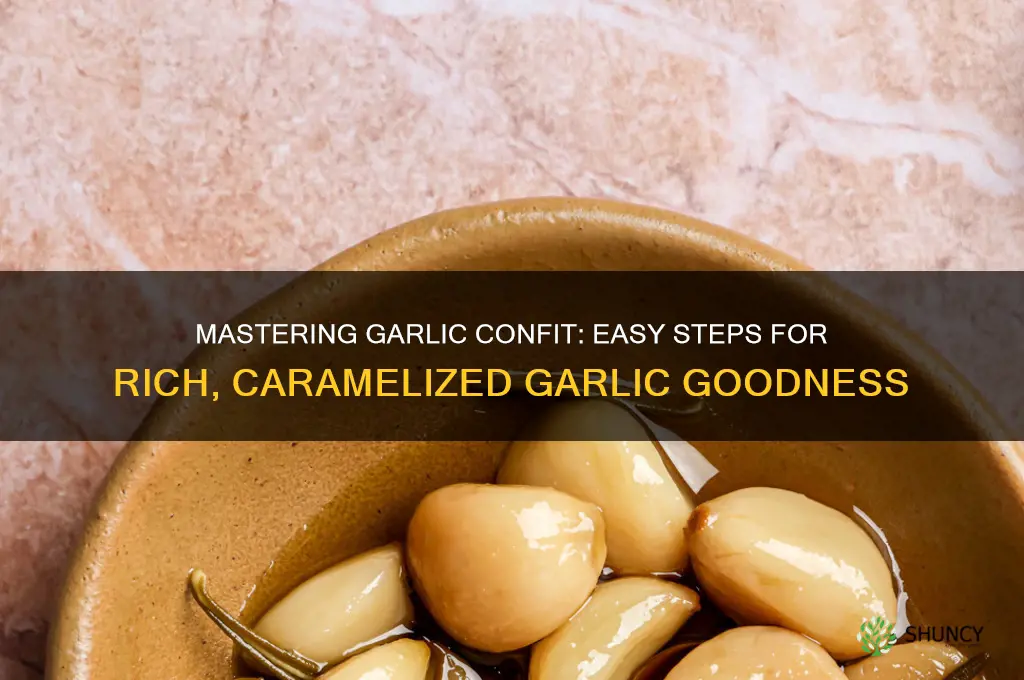
Garlic Confit: Turn Sharp Cloves into Sweet, Velvety Magic
Imagine a culinary secret that transforms humble, pungent garlic cloves into something remarkably sweet, mellow, and utterly melt-in-your-mouth. This isn't a fantasy; it's the pure magic of garlic confit. A simple, low-effort technique that yields astonishingly delicious results, garlic confit isn't just about preserving garlic; it's about elevating it to an entirely new dimension of flavor and texture. Once you experience the velvety richness of confited garlic and the aromatic delight of its infused oil, your kitchen will never be the same.
This age-old preparation involves gently simmering garlic in oil at a low temperature, coaxing out its sharp edges and replacing them with a profound sweetness and tender consistency. It's a culinary hack that provides a versatile ingredient for months of enjoyment, ready to enhance everything from simple toast to gourmet dinners. Beyond the exquisite cloves themselves, the accompanying oil becomes a treasured commodity, imbued with layers of savory garlic essence, often enriched with herbs and chiles for added complexity.
What Exactly is Confit? Unpacking an Ancient Technique
The term "confit" might sound sophisticated, but its origins are rooted in a practical, ingenious ancient preservation method. Originally developed in France and other cultures, confit referred to the process of slow-cooking meat or produce in its own fat (or other fat like oil or butter) and then storing it submerged in that same fat. This creates an airtight barrier that effectively keeps oxygen out, preventing spoilage and extending the ingredient's shelf life long before refrigeration was common.
Unlike frying, which aims for crispness and high heat, confiting is a gentle, prolonged cooking process. The key is a very low, consistent temperature that slowly tenderizes the ingredient without browning it. When applied to garlic, this technique minimizes the natural bitterness that can develop with high heat, instead allowing the garlic's sugars to caramelize ever so slightly and its essential oils to meld with the cooking medium. The result is a dramatically different flavor profile compared to oven-roasted garlic or pan-fried garlic – one that is intensely garlicky yet remarkably mellow and sweet, with a luxurious, spreadable texture that truly lives up to the "velvety" description.
Crafting Your Own Garlic Confit: The Simple Steps to Culinary Gold
Making your own garlic confit is surprisingly straightforward, requiring minimal active involvement for a truly rewarding outcome. The process hinges on good quality ingredients and patience:
- Choose Your Garlic: While garlic is available year-round, seeking out fresh, juicy summer cloves can yield an even sweeter, more succulent confit. Start with a generous amount – a few heads will give you a good stash. Peel the cloves, discarding any bruised or green sections. A good tip for easier peeling is to gently smash the cloves with the flat side of a knife, which helps loosen the skins.
- Select Your Oil: A high-quality extra virgin olive oil is often preferred for its flavor, but any good neutral oil will work. The oil will become a key ingredient in itself, so choose one you enjoy.
- Add Aromatics (Optional, but Recommended!): This is where you can truly personalize your confit. Classic additions include sprigs of fresh thyme or rosemary, and a few dried red chiles or chili flakes for a subtle warmth and beautiful color. A pinch of salt is also essential to enhance the garlic's flavor.
- The Gentle Simmer: Place your peeled garlic cloves, herbs, chiles, and salt in a small, oven-safe pot or heavy-bottomed saucepan. Pour enough olive oil over the top to completely submerge all the garlic cloves by at least half an inch. The goal is to cook the garlic gently, not fry it.
- Low and Slow Cooking: You can confit garlic on the stovetop over the lowest possible heat, aiming for just a bare simmer, or in the oven at a low temperature (e.g., 250-300°F / 120-150°C). Cook until the garlic cloves are deeply golden, incredibly tender, and easily mashable with a fork – this typically takes 45 minutes to 1.5 hours, depending on the garlic size and temperature. Keep an eye on it to prevent browning.
- Cool and Store: Once cooked, allow the garlic confit to cool completely in the oil before transferring it to a sterilized jar. Ensure the cloves remain fully submerged under the oil for proper storage.
Beyond the Jar: Unleashing the Versatility of Garlic Confit
Once you have a jar of golden garlic confit in your fridge, you'll wonder how you ever lived without it. Its uses are virtually limitless, transforming everyday meals into culinary masterpieces. Both the tender, mellow cloves and the aromatic, infused oil are treasures waiting to be discovered.
Versatile Cloves:
- Spread it On: Mash a few cloves into soft butter to create an incredible garlic butter for spreading on crusty bread, bagels, or even corn on the cob. It's also fantastic smeared directly onto grilled steak, chicken, or fish.
- Enhance Dishes: Stir whole or mashed cloves into mashed potatoes, risotto, or creamy pasta sauces for an instant depth of flavor. They melt beautifully into soups and stews, adding a richness without the raw bite.
- Under the Skin: For an unbelievably moist and flavorful roasted chicken, slip a few confited garlic cloves and a pat of butter under the chicken skin before roasting.
- Dressings & Dips: Blend into homemade mayonnaise, aioli, hummus, or your favorite salad dressing for an extra layer of garlicky goodness.
- Roasted Vegetables: Toss with roasted vegetables for a caramelized, sweet flavor boost.
Flavorful Oil:
- Drizzles & Dressings: The garlic-infused oil is perfect for drizzling over finished dishes like pizza, pasta, or grilled vegetables. It makes an exceptional base for vinaigrettes and marinades.
- Cooking Medium: Use it as your cooking oil for sautéing vegetables, frying eggs, or searing meats to impart a subtle, savory garlic note to everything.
- Bread Dipping: Serve it simply with some fresh bread for dipping – it's an appetizer in itself!
From simple breakfasts to elaborate dinners, garlic confit provides an unparalleled boost of flavor. To explore even more creative applications for this magical ingredient, be sure to check out our dedicated guide: Garlic Confit: Versatile Cloves & Flavorful Oil for Every Meal.
Important Considerations: Safety and Storage
While garlic confit is a culinary delight, it's crucial to address the "elephant in the room": the risk of botulism. Garlic stored in oil at room temperature creates an anaerobic (oxygen-free) environment, which is ideal for the growth of Clostridium botulinum bacteria, responsible for producing the dangerous botulinum toxin. However, with proper handling and storage, garlic confit is perfectly safe to enjoy.
The key to safety lies in diligent refrigeration and proper technique:
- Refrigeration is MANDATORY: This cannot be stressed enough. Once your garlic confit has cooled completely, it must be stored in the refrigerator. Never, under any circumstances, leave garlic confit at room temperature, even for a few hours.
- Sterilize Your Jars: Before storing, ensure your storage jars are thoroughly cleaned and sterilized. This minimizes the introduction of unwanted bacteria.
- Submerge Completely: When transferring the confit to the jar, make sure all the garlic cloves are fully submerged under the infused oil. The oil acts as a protective barrier. For an added layer of protection, you can gently press a piece of plastic wrap directly onto the surface of the oil before sealing the jar, to further limit air exposure.
- Tight Seal: Always seal the lid tightly to prevent any air from entering the jar.
- Shelf Life: Stored correctly in the refrigerator, homemade garlic confit is generally safe to consume for about 2-3 weeks. Beyond that, it's best to discard it. You'll notice the oil solidifying in the fridge, which is normal; it will liquefy again at room temperature or when gently warmed.
- Freezing for Longer Storage: For extended preservation, garlic confit can be frozen. Place cloves and oil in an airtight container or even ice cube trays (for pre-portioned amounts). Frozen confit can last for several months.
By following these strict safety guidelines, you can confidently enjoy your homemade garlic confit without worry. For a deeper dive into safe practices and common misconceptions, refer to our comprehensive guide: Garlic Confit Safety: How to Store & Enjoy Mellow, Preserved Cloves.
Conclusion
Garlic confit is more than just a recipe; it's an artful transformation, turning the humble, sharp garlic clove into a sweet, velvety culinary treasure. It's a testament to how simple techniques, when applied with patience and care, can unlock profound flavors and elevate your home cooking. From the sweet, melt-in-your-mouth cloves that enhance everything they touch to the rich, aromatic oil that adds a whisper of gourmet to any dish, confited garlic is truly a staple worth having in your kitchen. Embrace this ancient magic, savor the unique flavors, and let garlic confit become your new secret ingredient for countless delicious possibilities.
